
受到知名品牌和初创公司的信任



Blockchain is a decentralized ledger technology that enables secure and transparent transactions without intermediaries. It powers cryptocurrencies like Bitcoin and Ethereum, but its applications go far beyond digital currencies. From smart contracts and decentralized finance (DeFi) to supply chain management, blockchain is revolutionizing industries by enhancing security and efficiency.

Ready to harness the power of blockchain for your project? Freelancer is the best place to find a Blockchain Developer. With the widest range of expert developers skilled in smart contracts, NFTs, and decentralized apps (DApps), we have professionals for every budget. Over 80% of Fortune 500 companies use Freelancer, and our Milestone Payment system ensures you only pay when you're 100% satisfied.
免费发布您的项目,对接娴熟的Blockchain Developers,他们今天就能开工。查看竞标方案、评分和作品集,满意后再付款。
~66 min
即可收到首个竞标
64+
个竞标/项目
179+
Blockchain Developers在线
无需预付 · 满意后付款




9.4
9.4
98%

Karachi, Pakistan
$20 USD 每小时

9.0
9.0
100%

New Delhi, India
$50 USD 每小时

10.0
10.0
97%
SURAT, India
$15 USD 每小时

10.0
10.0
98%
surat, India
$15 USD 每小时

7.8
7.8
98%

48 NAOGAON, Bangladesh
$30 USD 每小时

8.1
8.1
99%
Sitapur, India
$15 USD 每小时

8.9
8.9
100%
Karachi, Pakistan
$45 USD 每小时

9.2
9.2
98%
Jaipur, India
$20 USD 每小时
A Blockchain Developer is a software engineer who designs, builds, and deploys decentralized applications, smart contracts, and blockchain protocols on networks like Ethereum, Solana, and Hyperledger. These specialists translate business logic into trustless, on-chain code that runs without intermediaries, making them essential for any project involving cryptocurrency, tokenization, or distributed ledger technology.
A blockchain developer ships production-ready code that interacts with or extends a distributed ledger. The deliverables are commercial — they enable token launches, NFT marketplaces, DeFi protocols, supply chain tracking, and on-chain identity systems that businesses use to reduce fraud, automate settlement, and create new revenue streams.
Typical outputs from a blockchain engineer include audited smart contracts, dApp front-ends connected to Web3 wallets, custom token standards, cross-chain bridges, and back-end indexers that feed on-chain data into traditional applications. Many blockchain developers also handle deployment to mainnet, gas optimization, and post-launch monitoring.
Blockchain development covers a broad surface area. The most common engagements buyers post on Freelancer.com fall into these categories:
Strong blockchain engineers work fluently across a defined toolchain. Look for hands-on experience with Solidity, Rust, and Go for protocol-level work; Hardhat, Foundry, and Truffle for testing and deployment; and OpenZeppelin contract libraries for secure, battle-tested base implementations. Front-end integration typically uses React with Ethers.js or Viem, while back-end indexing relies on The Graph, Alchemy, Infura, or Moralis.
For non-EVM ecosystems, expect familiarity with Anchor for Solana, CosmWasm for Cosmos chains, or Move for Aptos and Sui. Security-focused developers should know how to use Slither, Echidna, and formal verification tools, and follow established standards from OpenZeppelin and Trail of Bits.
Blockchain developers serve a wide spread of industries. Fintech companies hire them for payment rails, stablecoin issuance, and tokenized assets. Gaming studios commission play-to-earn mechanics, in-game asset marketplaces, and NFT integrations. Supply chain operators use distributed ledgers for provenance tracking, while real estate firms tokenize property ownership and fractional shares.
Other common use cases include decentralized identity (DID), on-chain governance for DAOs, healthcare record verification, carbon credit registries, and loyalty programs that issue transferable tokens. Each use case carries its own compliance and architectural considerations, so domain experience matters.
Vetting a blockchain engineer goes beyond a resume. Smart contract bugs are expensive and often irreversible once deployed, so rigorous evaluation is critical. Look for:
Sample interview questions you can use directly:
Freelancer.com gives you access to a global pool of blockchain engineers covering every major ecosystem — Ethereum, Solana, Polygon, BNB Chain, Cosmos, and emerging Layer 2s. You can compare specialists side by side, review verified portfolios, and select candidates whose tooling and chain experience match your project. Whether you need a one-off Solidity audit, a full DeFi protocol build, or ongoing dApp maintenance, you will find freelancers on Freelancer.com with the relevant track record.
Clients set their own budgets and receive competitive bids, so pricing reflects scope and seniority rather than a fixed rate card. Milestone Payments hold funds securely until you approve each deliverable, which is particularly valuable on smart contract work where staged review is the norm.
Ready to build on-chain?
Hiring a blockchain developer requires a brief that is far more technical than most freelance projects, because the choice of chain, language, and architecture shapes who can actually deliver the work. The process below walks through posting your project, reviewing bids, and awarding the engagement on Freelancer.com.
The clarity of your project post determines the quality of bids you receive. Blockchain work is full of architectural choices — chain, language, contract pattern, integration scope — and a vague brief will attract generalists rather than the specialist you need. Head to the
Bids on a blockchain project are mini technical proposals. A strong bid shows the freelancer has read your brief, understood the chain and contract pattern you need, and has thought through the trade-offs. Treat low-effort copy-paste bids as a filtering signal, and use the chat to ask clarifying questions before shortlisting.
The final shortlist should combine proposal quality with hard evidence from the freelancer's profile. For blockchain work, consistency matters more than a single impressive deployment — you want to see repeated, audited, on-chain output across multiple projects. Weigh portfolio depth against client reviews and verified credentials before awarding.
A simple ERC-20 token with basic features can be delivered in a few days, while a full DeFi protocol or custom Layer 1 chain typically takes several months. Smart contract audits add additional time, and most experienced developers will recommend a security review before mainnet deployment.
A blockchain developer is the broader role, covering protocol-level engineering, node infrastructure, and full-stack dApp work. A smart contract developer specializes specifically in writing on-chain logic in languages like Solidity or Rust. Many freelancers do both, but for protocol or consensus-layer work you should confirm the candidate has lower-level experience.
Web3 developer is often used interchangeably with blockchain developer, but it usually emphasizes front-end and dApp integration work over core protocol engineering. If your project is primarily a user-facing dApp connecting to existing contracts, a Web3 developer is sufficient. For custom contracts, audits, or new chains, hire someone who explicitly identifies as a blockchain or smart contract engineer.
Yes. Many engagements on Freelancer.com are scoped as fixed-deliverable projects — a token contract, an NFT mint page, an audit, or a specific feature. You can also hire on an ongoing basis for protocol maintenance and feature releases.
For any contract holding meaningful value, an independent audit by a different developer or audit firm is strongly recommended. The developer who wrote the code is unlikely to spot their own blind spots, and a second pair of eyes on Freelancer.com is a low-friction way to add a security layer before deployment.






今天发布一个项目,从有才华的威客们那里获得竞标
从Blockchain项目中获得一些灵感
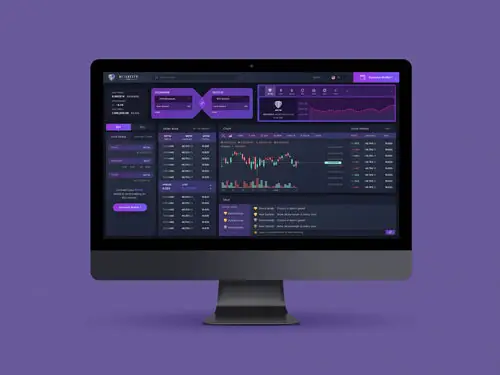
网站设计。
7天内540美元。
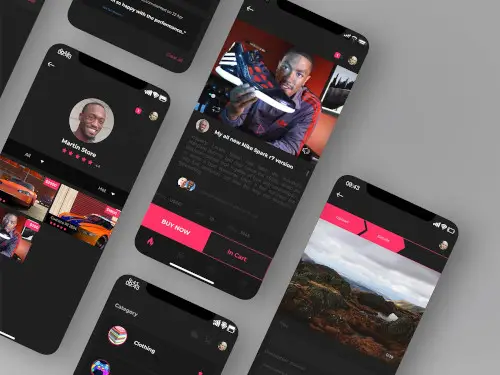
App设计。
1天内$100美元。

网站。
1天内430美元。

网站设计。
13天内140美元。

App设计。
19天内200美元。

网站。
13天内150美元。

网站。
1天内240美元。

网站。
1天内$100美元。


数百万名用户,从小型公司到大型企业,从企业家到初创公司,都在用Freelancer将他们的想法变成现实。
90.7百万
90.7百万
注册用户
25.9百万
25.9百万
发布工作总数
威客
关于
条款
合伙人
应用程序